

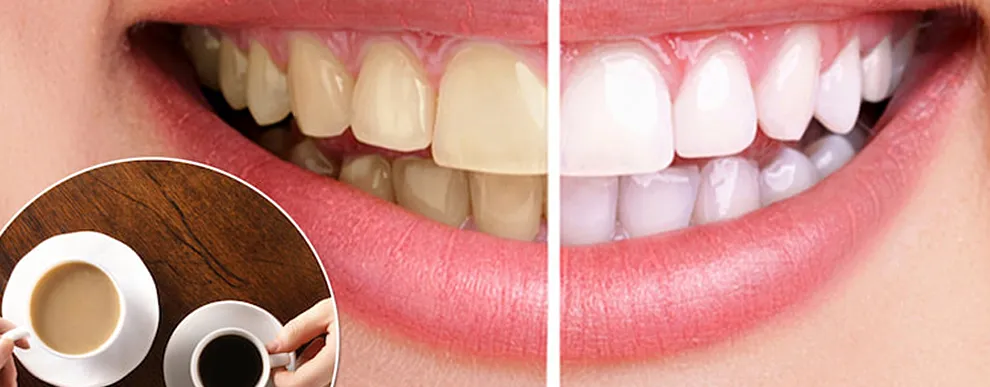
Most people associate stained teeth with obvious culprits like smoking or excessive coffee drinking. While those certainly play a role, many everyday habits quietly contribute to tooth discolouration over time—often without us realising. Because these habits are part of our daily routines, the staining tends to build gradually, making it harder to pinpoint the cause. Understanding what’s behind tooth staining is the first step toward protecting your smile.
Below are some surprisingly common daily habits that can dull your teeth and what you can do to minimise their impact.
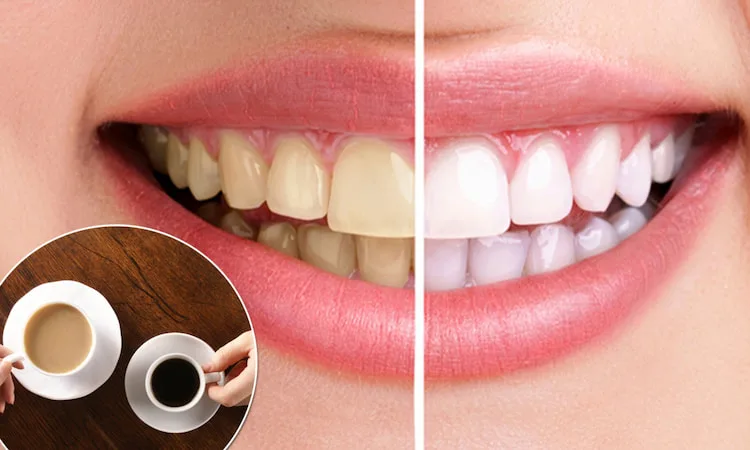
1. Drinking Tea and Coffee Throughout the Day
Tea and coffee are among the biggest contributors to tooth staining. Both contain tannins—natural compounds that make pigments stick more easily to enamel. While coffee often gets the blame, black tea can stain teeth just as much, if not more.
Sipping these drinks slowly over long periods is especially problematic. Each sip exposes your enamel to staining compounds, giving them more opportunity to settle into microscopic pores on the tooth surface.
Helpful tip: Drink water alongside tea or coffee, avoid sipping for hours, and rinse your mouth afterwards if brushing isn’t possible.
2. Red Wine and Dark-Coloured Drinks
Red wine combines three stain-causing factors in one drink: dark pigments, tannins, and acidity. The acid slightly softens enamel, allowing pigments to penetrate more easily. Dark fruit juices, energy drinks, and fizzy drinks can have a similar effect.
Even white wine can indirectly cause staining by weakening enamel, making it easier for darker foods and drinks to leave their mark later.
Helpful tip: Enjoy dark drinks with meals rather than alone, and wait at least 30 minutes before brushing to avoid damaging softened enamel.
3. Snacking on Colourful Foods
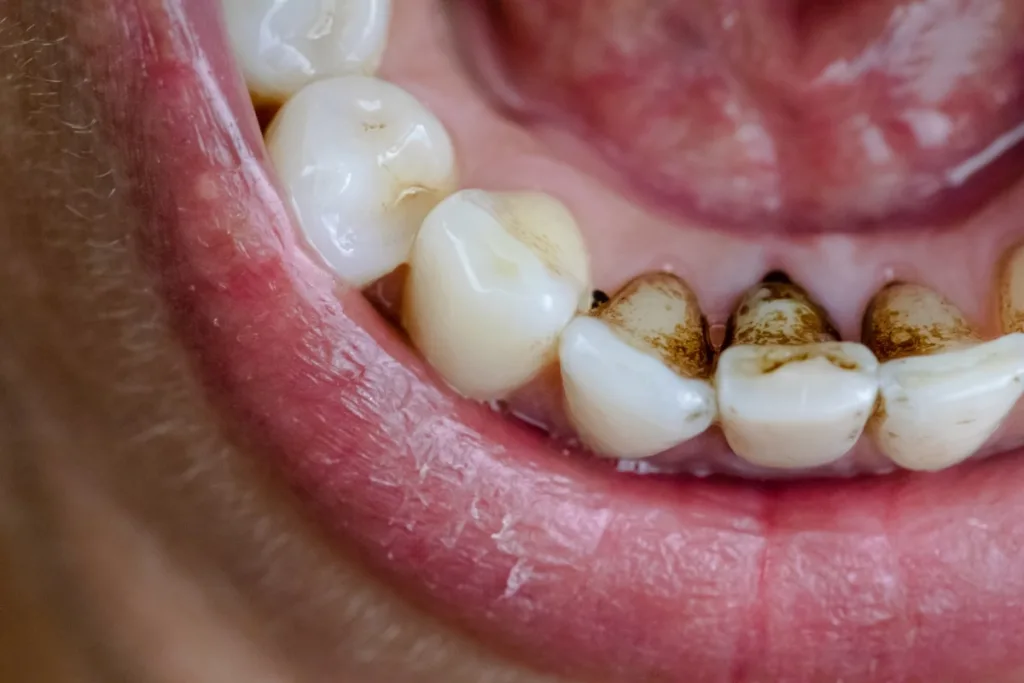
Many healthy foods can stain teeth when eaten frequently. Berries, beetroot, soy sauce, tomato-based sauces, curry, and balsamic vinegar all contain strong pigments that can gradually darken enamel.
This doesn’t mean you should avoid these foods altogether—but frequent exposure without proper oral care can lead to noticeable staining.
Helpful tip: Rinse with water after eating strongly coloured foods and maintain a consistent brushing routine.
4. Smoking and Vaping
Smoking is one of the most severe causes of tooth staining. Tar and nicotine cling to enamel, creating yellow or brown stains that are difficult to remove with regular brushing alone.
Vaping, while often marketed as a cleaner alternative, can still contribute to discolouration. Nicotine exposure and reduced saliva flow may increase the risk of staining over time.
Helpful tip: Quitting smoking offers significant benefits not just for tooth colour, but for overall oral and general health.
5. Poor Brushing Timing
Brushing regularly is essential—but timing matters. Brushing immediately after consuming acidic foods or drinks can actually damage enamel rather than protect it. Once enamel is weakened, it becomes more susceptible to staining.
On the other hand, skipping brushing before bed allows pigments and plaque to sit on teeth overnight, increasing the risk of long-term discolouration.
Helpful tip: Brush twice daily, wait 30–60 minutes after acidic foods, and never skip your nighttime brush.
6. Using Certain Mouthwashes Long-Term
Some antiseptic mouthwashes contain ingredients like chlorhexidine or cetylpyridinium chloride. While effective for gum health, prolonged use can sometimes lead to surface staining.
This staining isn’t permanent but can build up over time if the mouthwash is used daily for months without professional guidance.
Helpful tip: Use therapeutic mouthwashes as recommended and switch to a cosmetic or whitening-friendly option for everyday use if appropriate.
7. Dehydration and Dry Mouth
Saliva plays a crucial role in washing away food particles and neutralising acids. When you’re dehydrated or suffer from dry mouth, staining compounds are more likely to stick to your teeth.
This can be common in people who drink little water, consume lots of caffeine, or take certain medications.
Helpful tip: Stay hydrated and consider sugar-free chewing gum to stimulate saliva production.
8. Inconsistent Dental Cleaning
Even with good brushing habits, plaque can build up in hard-to-reach areas. When plaque hardens into tartar, it traps stains and gives teeth a yellow appearance that brushing alone can’t remove.
Skipping flossing or professional cleanings allows these stains to become more noticeable over time.
Helpful tip: Floss daily and schedule regular dental hygiene appointments.
Keeping Your Smile Brighter
Staining doesn’t happen overnight—it’s the result of repeated small habits. The good news is that simple changes, combined with good oral hygiene and occasional whitening support, can make a noticeable difference. By being mindful of what you eat, drink, and do each day, you can significantly reduce staining and keep your smile looking healthier and brighter for longer.