

A brighter smile is still one of the most in-demand cosmetic goals—and in 2026, teeth whitening is more advanced, accessible, and customizable than ever. But with so many products, ingredients, and claims on the market, it’s easy to get overwhelmed (or worse, waste money on something ineffective).
This guide breaks down everything you need to know—from how whitening actually works to what results you can realistically expect.
What Is Teeth Whitening & How Does It Work?
Teeth whitening is a process that lightens the color of your teeth by removing stains and discoloration.
There are two main types of stains:
- Extrinsic stains – surface stains from coffee, tea, wine, smoking
- Intrinsic stains – deeper discoloration inside the tooth (aging, medication, trauma)
The Science (Simplified)
Most whitening treatments use peroxide-based agents that release oxygen molecules. These penetrate the enamel and break apart stain molecules through a process called oxidation.
The result? Teeth appear visibly whiter because stains become less concentrated.
Types of Teeth Whitening Products (2026 Edition)
The market has evolved beyond basic strips—here’s what’s popular now:
1. Whitening Strips
- Thin, flexible strips coated with peroxide gel
- Affordable and widely available
- Results in 1–2 weeks
2. LED Whitening Kits
- Combine gel with LED light activation
- Popular in 2026, but results vary
- Light may accelerate the chemical reaction, but it’s not magic
3. Whitening Trays (Custom or Universal)
- Filled with gel and worn over teeth
- Custom trays (from dentists) offer better coverage
- At Home mouldable trays
4. Whitening Pens
- Quick, portable touch-up solutions
- Best for maintenance, not full transformations
5. Whitening Toothpaste
- Removes surface stains only
- Won’t dramatically change tooth color
6. “Natural” Whitening Remedies
- Charcoal, baking soda, oil pulling
- Limited evidence—some can be abrasive if overused
Dentist vs At-Home Whitening: Which Is Better?
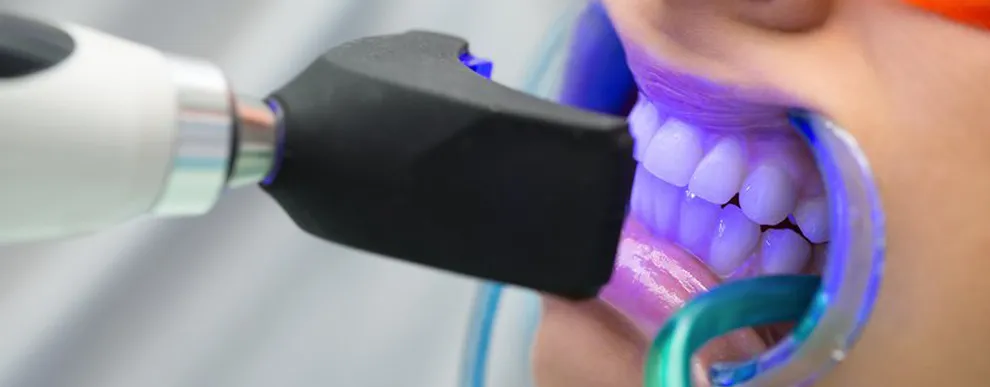
Choosing between professional and at-home whitening depends on your goals and budget.
Professional whitening is done by a dentist using stronger formulas. It delivers fast, noticeable results, often in a single session. The downside is the higher cost.
At-home whitening is more affordable and convenient. It allows you to gradually whiten your teeth over time, but it requires consistency and patience.
A common approach is to start with professional whitening and then maintain the results with at-home products.
Teeth Whitening Ingredients Explained
You don’t need to understand complex chemistry, but knowing the basics helps you make better choices.
Hydrogen peroxide is the most effective and fast-acting whitening ingredient. Carbamide peroxide works more slowly and is often gentler, making it a good option for people with sensitivity. Here is a useful article fully explaining both.
PAP is a newer alternative that is marketed as being less likely to cause sensitivity, although long-term data is still developing.
Fluoride is often included to help protect enamel and reduce sensitivity.
If a product doesn’t clearly list its active ingredient, it’s best to avoid it.

Is Teeth Whitening Safe?
Teeth whitening is generally safe when used correctly, but there are a few common side effects.
Sensitivity is the most common issue. It is usually temporary and fades within a few days.
Gum irritation can occur if the whitening gel comes into contact with your gums.
Overusing whitening products can damage enamel or lead to an unnatural appearance, so it’s important not to overdo it.
To stay safe, always follow instructions, avoid excessive use, and take breaks if you experience discomfort. Using a toothpaste designed for sensitive teeth can also help.
What Are Remineralisation Gels? How Do They Help
Remineralisation gels are specially formulated dental products designed to help strengthen and protect tooth enamel by restoring essential minerals such as calcium, phosphate, and fluoride. These minerals play a key role in maintaining the structure and resilience of your teeth.
Throughout the day, teeth naturally lose minerals due to acids from food, drink, and bacteria — a process known as demineralisation. Remineralisation gels are designed to support the natural repair process by replenishing these lost minerals and helping to maintain enamel strength.
What Results Can You Expect?
It’s important to have realistic expectations.
At-home treatments typically show results within a few days to two weeks. Professional treatments can deliver immediate results.
Most people see their teeth become two to eight shades lighter, depending on their starting point and the type of stains.
Results usually last between three months and two years. This depends heavily on your habits, especially your consumption of coffee, wine, and other staining substances.
To maintain your results, it helps to rinse your mouth after consuming staining foods or drinks, use whitening toothpaste, and occasionally top up with whitening treatments.
Common Misconceptions
- Teeth whitening does not damage enamel when used correctly, but overuse or abrasive products can cause harm.
- Whitening does not work on crowns, veneers, or fillings, as these materials do not change color.
- LED whitening is not significantly more effective than other methods. The active ingredient matters far more than the light.
Overall Thoughts
Teeth whitening is more accessible and effective than ever, but the key to good results is understanding how it works and using the right approach.
Focus on the active ingredients, be consistent, and avoid overuse. With the right method and expectations, you can achieve a noticeably brighter smile that lasts.