
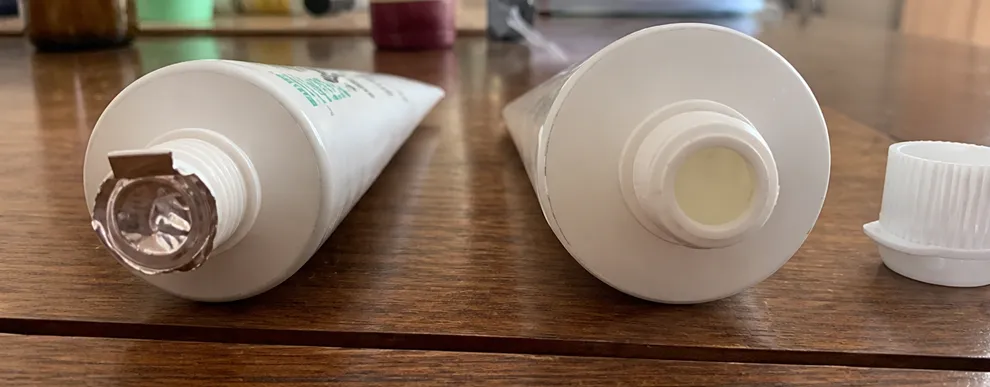
If you’ve recently opened a new tube of toothpaste and noticed there’s no foil seal under the cap, you’re not alone. It’s one of the most common questions customers are asking right now — especially when buying online.
So what’s going on?
Has something changed… or should you be concerned?
In this guide, we’ll break down why some toothpaste no longer includes foil, which brands still use it, and how to tell if your toothpaste is safe to use.
Toothpaste brands have gradually moved away from traditional foil seals as part of a wider effort to reduce packaging waste and improve sustainability. Instead, many now rely on sealed cardboard cartons as the primary form of tamper protection.
At the same time, there has been a shift towards single-material, fully recyclable plastic tubes, replacing older designs that used a mix of plastic and aluminium. These older tubes were difficult to recycle due to their layered construction, whereas modern alternatives are designed to be compatible with standard UK recycling systems.
In Summary – Why has this change happened?
Sustainability & Recycling
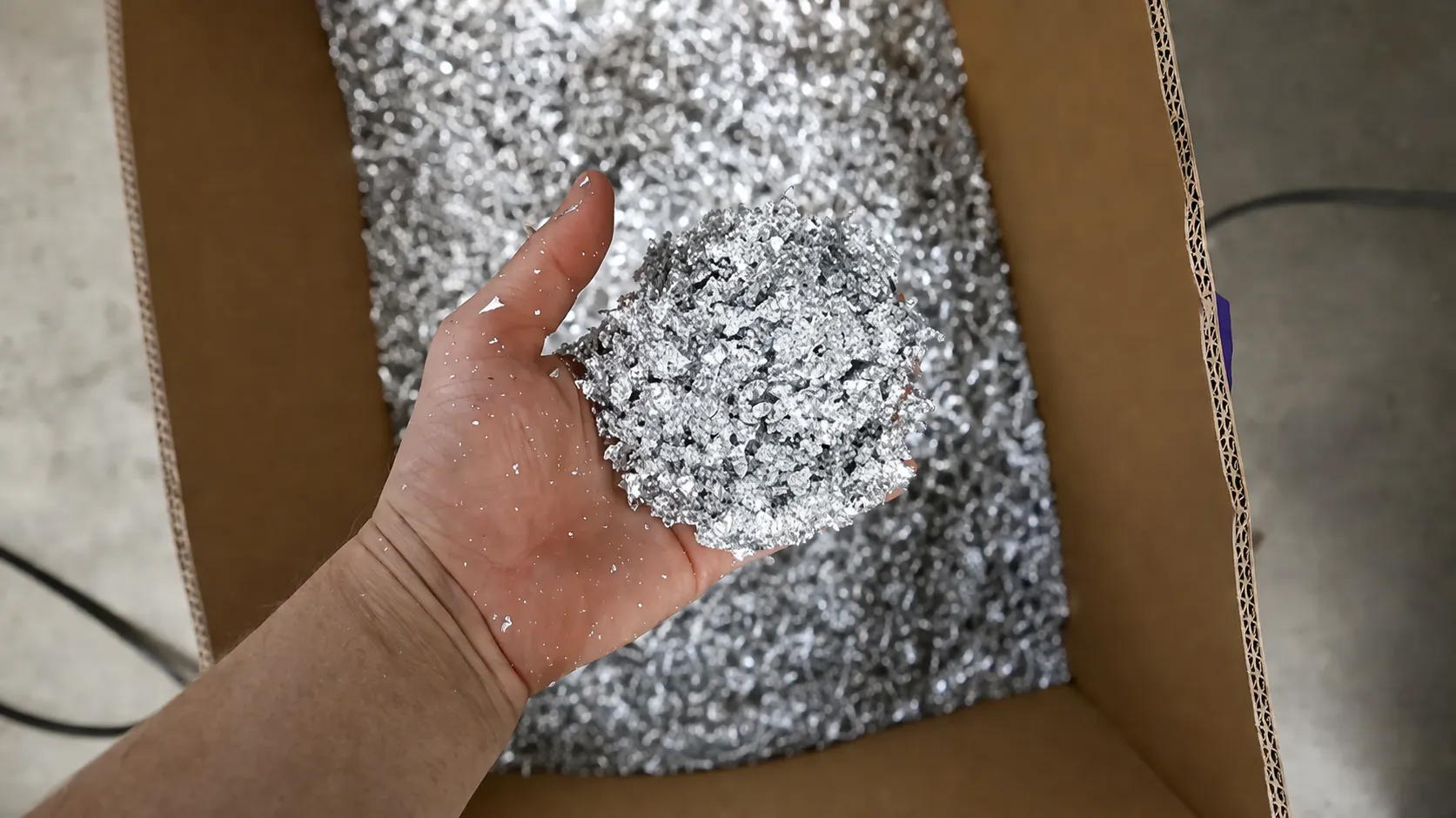
Traditional toothpaste tubes often contained a combination of plastic and aluminium, making them hard to process in typical recycling facilities. Newer tube designs eliminate these mixed materials, helping reduce environmental impact and improve recyclability.
Alternative Tamper Protection
For toothpaste sold in sealed boxes, the glued cardboard carton now acts as the tamper-evident barrier. If the box is intact, it indicates the product hasn’t been opened — removing the need for an additional foil seal inside the cap.
Improved Efficiency & Lower Waste
Removing the foil seal simplifies the manufacturing process. This not only improves production efficiency but also reduces the amount of material used overall.
Important to know
If a toothpaste tube is sold without outer packaging (often called a “naked tube”), it will usually still include a foil seal. In these cases, the foil provides an essential layer of hygiene and tamper protection.
Why toothpaste used to have foil seals
Traditionally, toothpaste tubes included a foil seal under the cap for two main reasons:
- Hygiene protection – prevents contamination before first use
- Tamper evidence – shows the product hasn’t been opened
For years, this was the industry standard — especially for unboxed tubes or professional dental products.
Why many toothpaste brands are removing foil
Over the past few years, many major brands have quietly started removing foil seals. Here’s why:
1. Outer packaging now acts as the seal
Most supermarket toothpaste (like boxed tubes) now relies on the cardboard box as the tamper-proof layer.
If the box is sealed and undamaged, brands consider that sufficient protection — meaning the foil inside is no longer essential.
2. Sustainability and reduced waste
Brands are under pressure to reduce packaging waste, especially in the UK and Europe.
Removing foil:
- Cuts down on non-recyclable materials
- Helps brands meet eco targets
- Reduces overall packaging weight
This is one of the biggest reasons you’re seeing this change more often.
3. Cost and efficiency
Foil seals add an extra manufacturing step.
For large-scale brands, removing them:
- Speeds up production
- Reduces costs
- Simplifies packaging
This is especially common with multipacks and budget products.
Which toothpaste brands STILL use foil?
While many mainstream brands have moved away from foil, premium and dentist-grade products often still include it.
These brands are much more likely to include foil seals on there toothpastes:
Why?
Because they’re positioned as clinical or dentist-recommended products, where hygiene and trust are critical.
Traditional toothpaste brands
- Euthymol
Older-style brands often stick with foil because they use:
- Metal tubes
- Classic packaging formats
- Traditional manufacturing processes
Which brands often DON’T use foil anymore?
Most high-street brands now skip foil — especially when boxed.
👉 Common pattern:
- Sold in sealed boxes
- No foil under cap
- Designed for mass retail efficiency
Is it safe if your toothpaste has no foil?
In most cases — yes, it’s completely safe.
But here’s how to check:
✅ Safe to use
- Comes in a sealed, undamaged box
- Cap is tightly closed
- No signs of leakage or prior use
⚠️ Check carefully
- Tube is loose (no box)
- Cap feels already opened
- Product looks used or messy
❌ Do not use
- Seal clearly broken
- Product leaking or tampered with
thoughts
Toothpaste hasn’t become less safe — it’s just changed with modern packaging trends.
- Premium and dentist-grade products still often include foil
- Everyday supermarket brands are moving away from it
- Sustainability and cost are driving the shift
So if your toothpaste doesn’t have foil, don’t panic — just check the packaging and use common sense.
FAQs
Does toothpaste need a foil seal?
No — as long as the product is properly sealed in its outer packaging, it’s considered safe.
Why does my toothpaste not have a seal anymore?
Most brands now rely on sealed boxes instead of foil to reduce waste and cost.
Which toothpaste brands still use foil?
Dentist-grade brands like Opalescence and Pola are more likely to include foil seals.
Is it safe to use toothpaste without foil?
Yes — provided the packaging is intact and the tube hasn’t been opened.